research
Current and past research projects in occupational ergonomics
Our research program advances occupational ergonomics through rigorous biomechanical and human-factors methods. We study how physical and cognitive demands affect worker health, safety, and performance, and we translate findings into practical interventions for high-demand work environments.
Current work integrates motion analysis, electromyography, wearable sensing, and data-driven modeling to identify modifiable risk factors and support evidence-based decision-making in manufacturing, healthcare, and other safety-critical domains.
Biomechanical Risk Modeling in Occupational Tasks
We develop and validate biomechanical models to quantify joint loading, movement variability, and cumulative exposure during occupational tasks such as lifting, pushing, and repetitive upper-extremity work. By combining laboratory data with field-based observations, we identify conditions associated with elevated musculoskeletal risk and generate actionable design recommendations for safer work systems.
Cognitive Workload and Human Performance
This line of research evaluates how attention, time pressure, task complexity, and environmental constraints influence safety and performance. We use multi-modal methods including subjective scales, physiological indicators, and performance metrics to characterize cognitive demand and fatigue. Findings are used to guide task allocation, workflow design, and staffing strategies that support sustained performance.
Ergonomic Intervention Design and Evaluation
We design and test interventions that reduce physical and cognitive strain while preserving operational performance. Approaches include engineering controls, workstation redesign, workflow modification, and work-rest scheduling. Projects emphasize participatory methods and implementation feasibility so that findings can be adopted by industry partners and translated to practice.
Wearable Sensors for Workplace Exposure Monitoring
We integrate wearable IMUs, force and pressure sensors, and physiological monitors to capture real-time exposure profiles during work activities. Ongoing studies evaluate algorithmic methods for posture detection, task classification, and cumulative risk estimation. This work supports scalable ergonomic surveillance and data-informed prevention strategies.
Research Facilities & Equipment
Noraxon EMG System
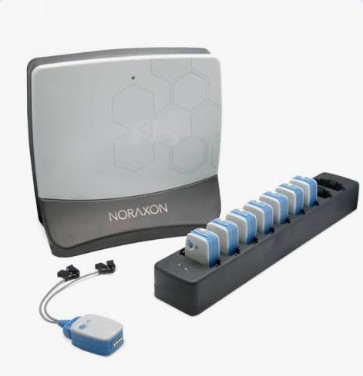
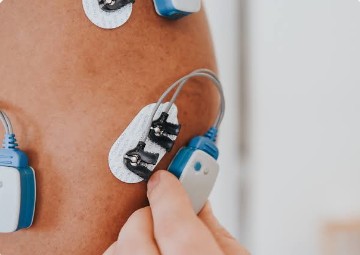
The Noraxon electromyography system is used to quantify muscle activation, fatigue, and neuromuscular demand during occupational and simulated tasks. It supports detailed analysis of exposure profiles in repetitive work, manual material handling, and posture-constrained activities.
Vicon Motion Capture System
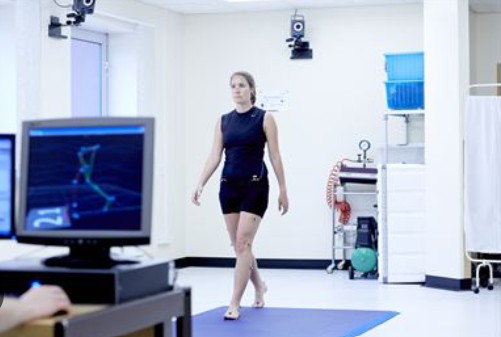
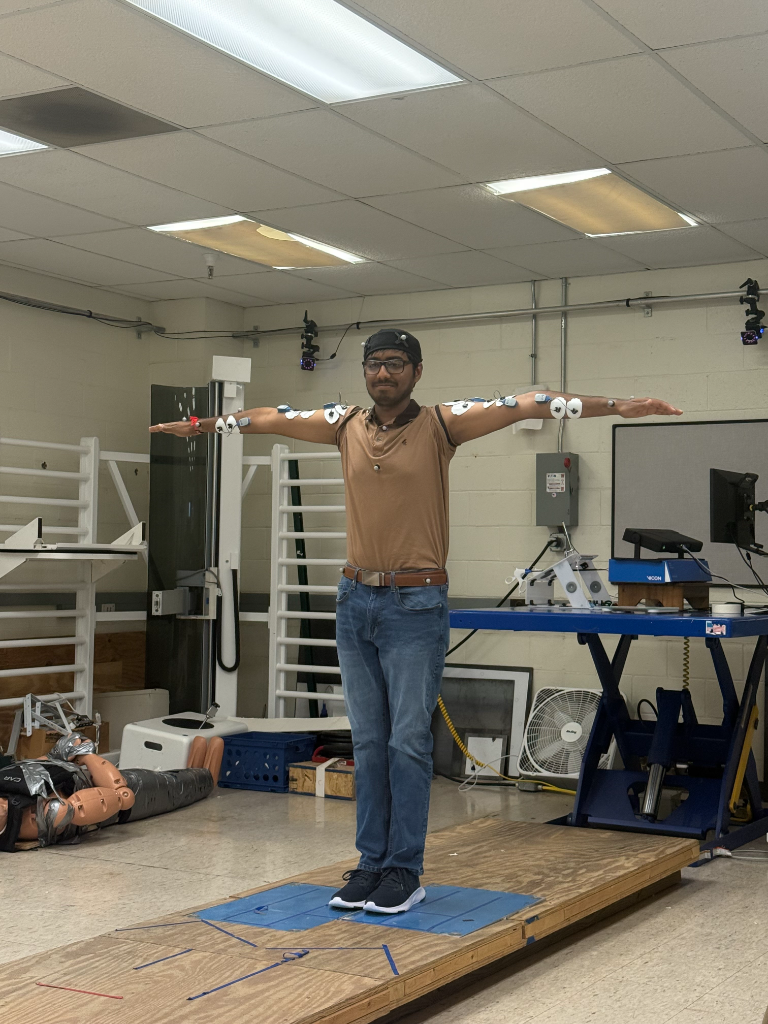
The Vicon motion capture platform provides high-resolution three-dimensional kinematic data for analysis of posture, movement coordination, and joint mechanics. It is central to our studies of lifting, reaching, mobility, and task-specific movement adaptations in occupational contexts.
Bertec Force Plates
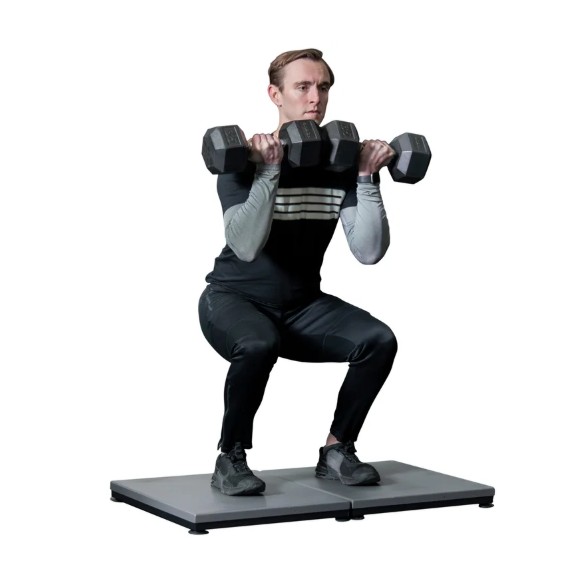
Two Bertec force plates are used to measure ground reaction forces, balance control, and postural loading. Integrated with motion capture and EMG, force plate data enable comprehensive assessment of external loading and movement strategy across occupational activities.
HUMAC NORM Isokinetic Dynamometer
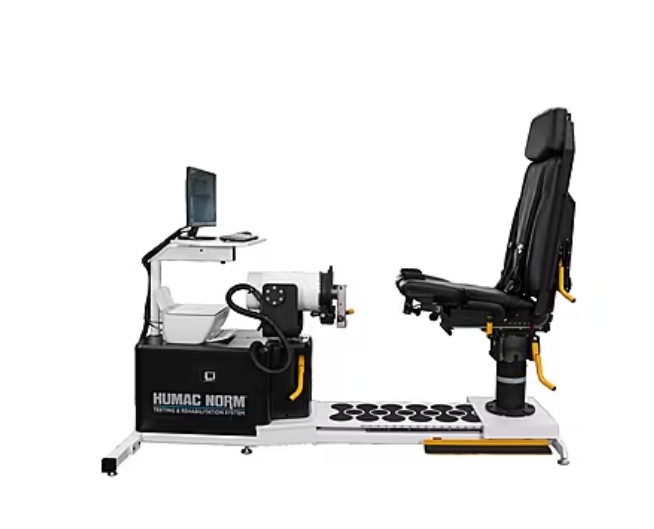
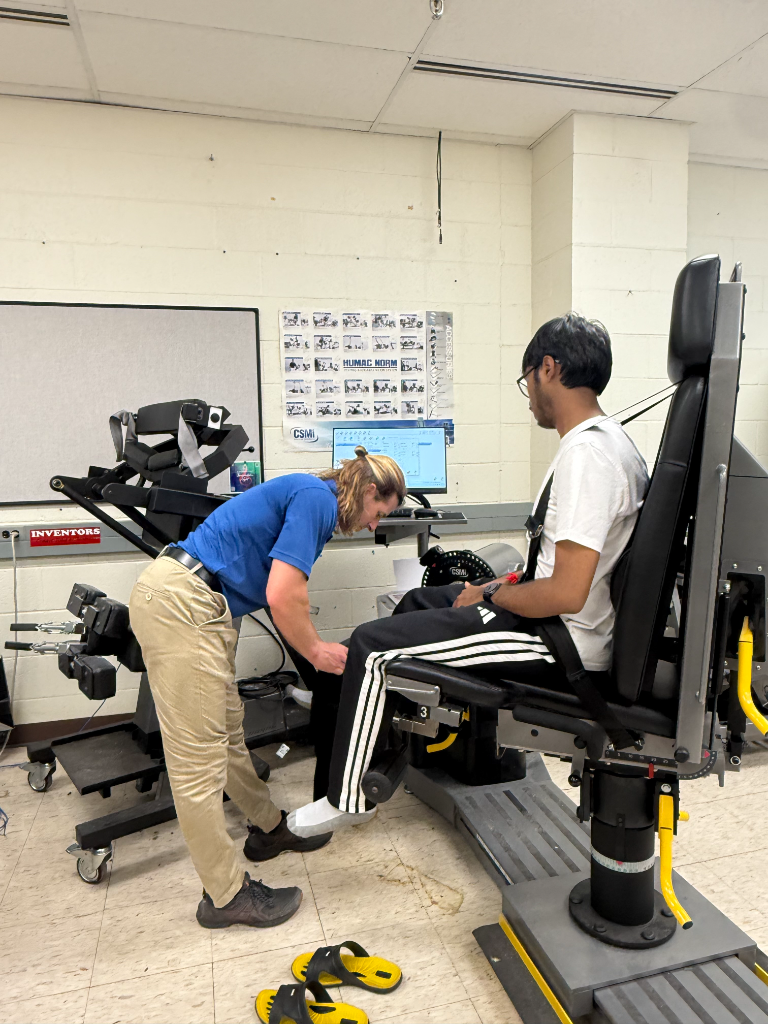
The HUMAC NORM isokinetic dynamometer provides controlled assessments of joint torque, strength, fatigue, and functional capacity. It is used to evaluate task-specific physical capacity and to quantify changes following ergonomic or rehabilitation interventions.
NexGen Ergonomics Biometric Systems
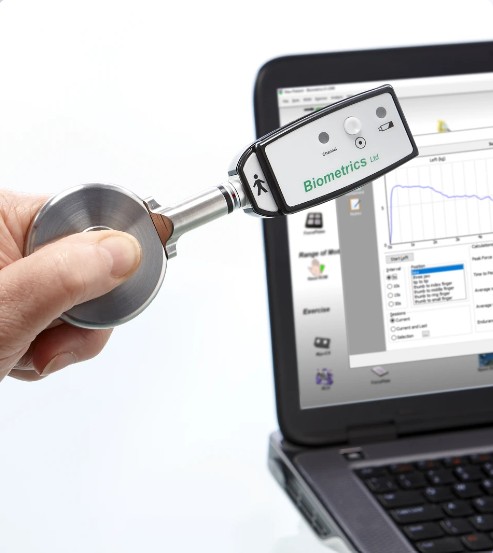
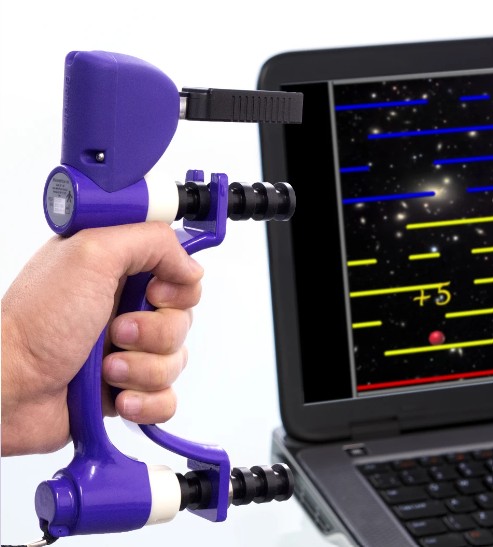
NexGen hand dynamometry and pinch-strength systems support objective assessment of hand and upper-extremity function. These tools are used in studies of manual task demand, hand-tool interaction, fatigue, and intervention effectiveness.
Methods and Analytical Capabilities
Multi-Modal Workload Assessment
Integrated measurement of physical and cognitive demand using EMG, kinematics, force data, subjective scales, and performance outcomes.
Experimental and Field Study Design
Laboratory and workplace studies that combine controlled experimentation with ecologically valid field data collection.
Data-Driven Ergonomics
Signal processing, statistical modeling, and machine-learning methods for task classification, risk detection, and exposure quantification.
Collaboration and Student Opportunities
We collaborate with industry, healthcare, and academic partners on translational ergonomics research. Prospective graduate and undergraduate students interested in biomechanics, human factors, wearable sensing, and occupational health are encouraged to get in touch.